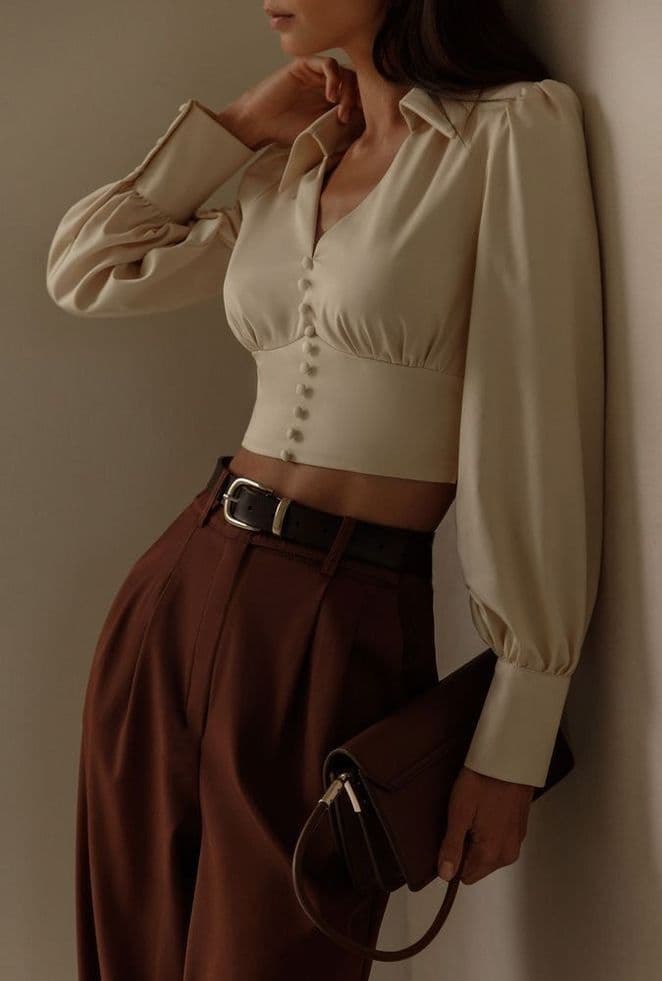
Wide-Leg Trousers and the Freedom of Fabric in Motion
B
BUYIT Journal· Fashion history notes
Wide-leg trousers do something narrow trousers cannot: they let fabric move before the body is fully understood. A slim trouser describes the leg. A wide trouser creates a space around it. When the wearer walks, the cloth swings, folds, and opens. The leg is present, but not outlined.
That difference has mattered throughout modern fashion. Trousers on women's bodies were once socially charged in many Western contexts, associated with sport, work, reform dress, and challenges to conventional femininity. Wide trousers complicated the issue by offering an alternative to both skirts and masculine tailoring. They could give freedom of movement while keeping a sense of drape.
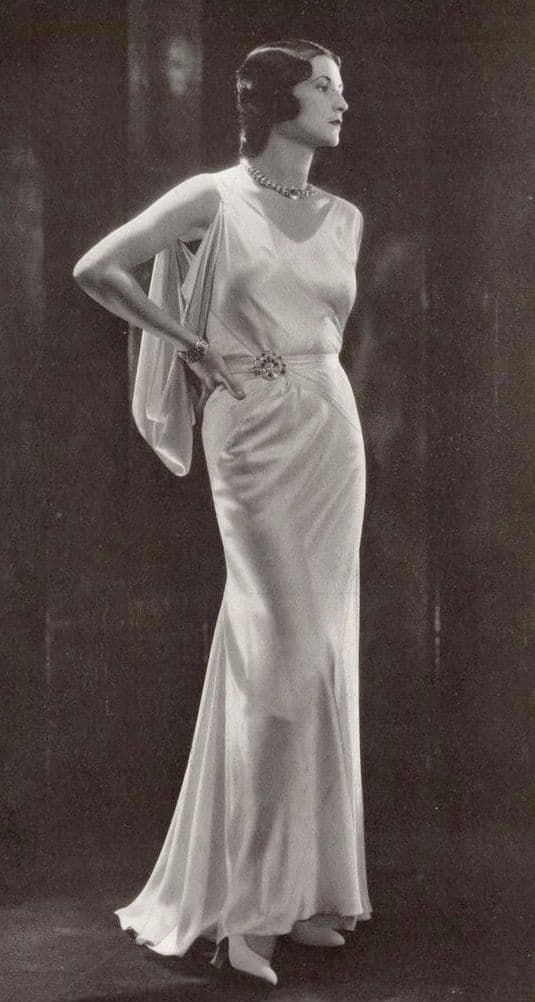
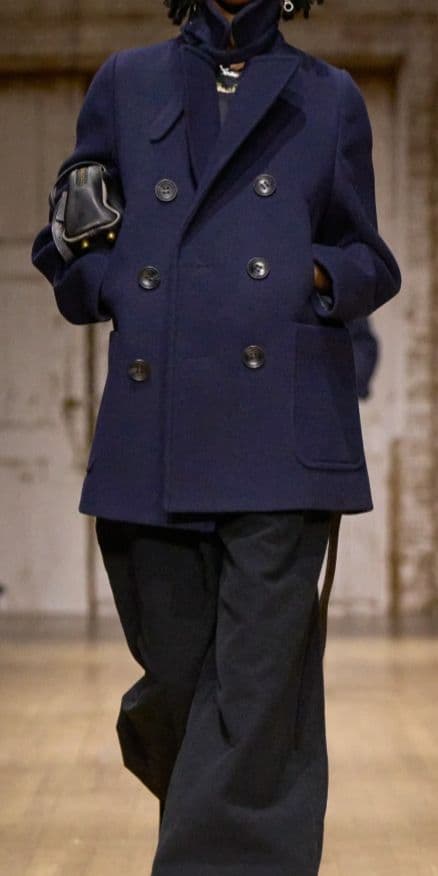
Beach pajamas and lounging pajamas of the early twentieth century helped make wide trousers glamorous in leisure settings. Later, designers and wearers used wide trousers for evening, work, and everyday style. The garment could look relaxed or formal depending on fabric. In silk or crepe, it could almost mimic a skirt in motion. In wool, it could become architectural. In denim or cotton twill, it moved toward utility.
The waist is crucial. High-waisted wide trousers lengthen the leg and make the fabric fall from a clear point. Pleats add room and create vertical movement. A flat front makes the line cleaner. A low waist changes the garment into something more casual and horizontal. The wider the leg, the more important the top of the trouser becomes, because it controls where volume begins.
Wide trousers also change posture. They often encourage a slower, more grounded movement than tight trousers. The wearer becomes aware of the hem, the shoe, the floor. A long wide leg can cover most of the footwear, making the body look taller and more continuous. A cropped wide leg exposes the ankle and turns the trouser into a graphic shape.
Their appeal often returns when fashion is tired of restriction. After seasons of skinny silhouettes, wide trousers feel like air. After soft casual dressing, tailored wide trousers feel like order. They can provide ease without abandoning polish. That is why they move in and out of trend without ever disappearing completely.
The garment is not automatically easy. Too much width in the wrong fabric can look heavy. Too little structure at the waist can collapse the line. Hem length must be considered. A wide trouser that drags unintentionally loses its elegance; one cut too short may lose its sweep. The shoe matters because the trouser often frames or hides it.
Wide-leg trousers are useful for a modern wardrobe because they bring movement into everyday dressing. They can make a white shirt look more relaxed, a knit more refined, a blazer less corporate, and a sneaker more deliberate. They offer comfort that still has direction.
Their deeper significance is simple: they let the body occupy more space without relying on padding, stiffness, or display. The fabric expands the silhouette and gives movement a visible form. In a world where many clothes either cling or conceal, wide-leg trousers offer another option. They accompany the leg rather than drawing it.
The shoe completes the wide-leg trouser more than people expect. A flat sandal makes the fabric skim casually. A pointed shoe extends the line. A platform can support extra width. Sneakers make the trouser more relaxed, while a heel changes the fall from easy to elongated. The same trouser can look unfinished or elegant depending on what happens at the hem.
Wide trousers also make pockets and pleats meaningful. A pleat is not decoration; it stores fabric for movement. A pocket can disappear into a side seam or become a visible utility detail. When the leg is wide, these elements help decide whether the trouser reads as tailoring, lounge, uniform, or fashion volume.
The history of women wearing trousers adds weight to the wide-leg shape. When trousers challenged dress conventions, width could make them feel less directly borrowed from men's tailoring and more like a new category. A wide leg could echo the movement of a skirt while keeping the practicality of divided garments. This ambiguity helped trousers enter spaces where narrow menswear references might have felt too confrontational.
Fabric weight decides whether wide trousers float or command. Lightweight silk can almost ripple. Linen wrinkles and softens the line. Wool crepe falls with authority. Denim turns width into casual volume. A technical fabric can make the trouser look architectural. The same pattern is transformed by how the cloth handles gravity.
Wide-leg trousers are also useful because they make the upper body more important. A tucked shirt, cropped knit, long blazer, or fitted tank changes where the volume begins. The wearer must decide whether to balance the width with structure above or continue the looseness through the whole outfit. That decision gives the trouser its modern flexibility.
The wide-leg trouser's comfort is not simply about room. It is about the way the garment lets air and fabric move around the body. In warm weather, that can feel easier than tight cloth. In colder weather, heavier wool wide trousers can feel protective without becoming stiff. Width becomes a climate strategy as well as a style choice.
Related articles
April 28, 2026
November 24, 2025
September 19, 2025
August 5, 2025