Loafers and the Politeness of a Practical Shoe
B
BUYIT Journal· Fashion history notes
The loafer is a slip-on shoe with manners. It is easier than a lace-up, more structured than a slipper, less athletic than a sneaker, and less delicate than a ballet flat. It enters a wardrobe by offering convenience, then stays because convenience has been dressed in leather.
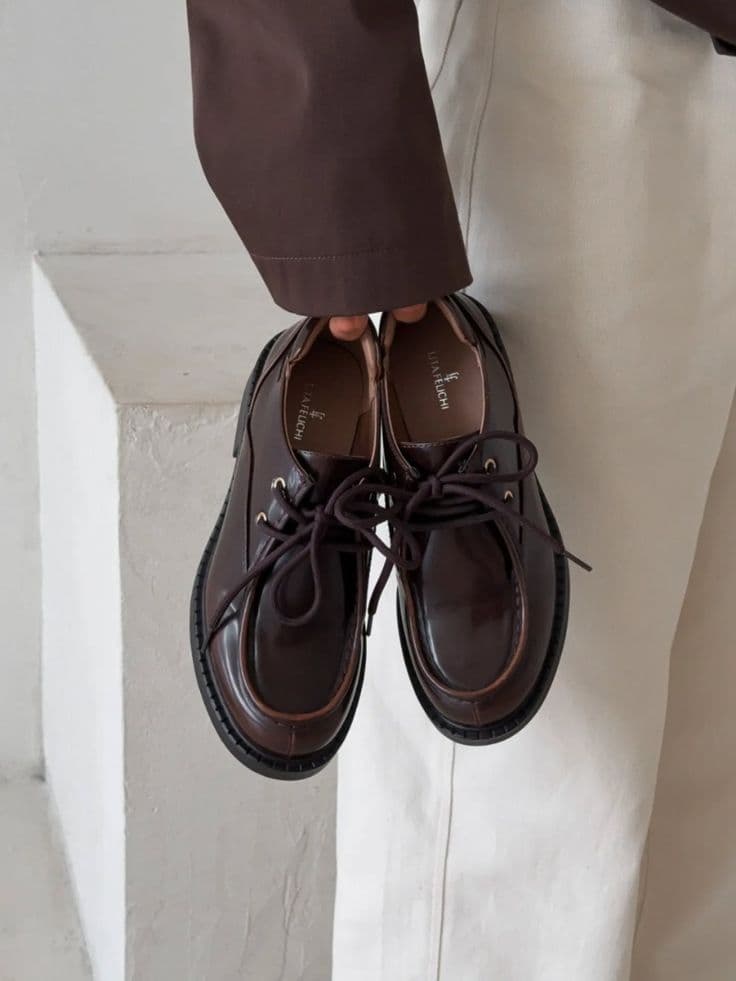
At first glance, a loafer is simple: low heel, exposed ankle, stitched upper, no laces. But small variations change its entire social meaning. A penny loafer with a strap across the vamp can feel collegiate. A tassel loafer suggests a different kind of dressiness, sometimes elegant and sometimes theatrical. A horsebit loafer brings luxury hardware into the equation. A heavy lug-sole loafer changes the shoe from polite to blunt.
The loafer's history draws from several streams of slip-on footwear, including moccasin-like construction, Norwegian leisure shoes, American campus dress, and mid-century menswear. Its power in fashion comes from the way it moved between ease and respectability. It was never simply a house shoe. It could be worn outdoors, in town, to school, to offices, and eventually across gendered wardrobes.
The construction matters. A loafer covers more of the foot than a ballet flat and less than many formal shoes. The vamp gives the top of the foot a clean surface. The seam around the toe can soften the shape or make it more pronounced. The heel adds posture without the drama of a pump. The shoe allows walking while still looking intentional.
That middle position has made the loafer unusually adaptable. With socks and a skirt, it can look schoolish. With tailored trousers, it can look restrained. With jeans, it brings polish without making the outfit formal. Barefoot in summer, it suggests leisure. Worn with thick socks and a heavier sole, it becomes more grounded and graphic.
The penny loafer's name comes with its own mythology, often linked to the slot in the strap where a coin could be kept. Whether the coin is practical or symbolic, the detail matters because it turns a piece of leather into a small stage for identity. Loafers often work that way. Their differences are not loud, but they are legible to people who notice shoes.
In womenswear, the loafer has been especially useful because it borrows from menswear without staying there. It can make a dress less sweet, trousers less severe, denim sharper, and a skirt more grounded. It offers a version of polish that does not depend on a heel. That matters physically as well as visually. The wearer can stand flatter, walk faster, and still look dressed.
The loafer's relationship with class codes is also hard to ignore. Preppy style, campus uniforms, country-club leisure, office dress, and luxury branding have all used the loafer. At times it can look conservative. At other times, especially when exaggerated in sole, color, or proportion, it can look deliberately awkward or subcultural. The same shoe shape can say "rules" or "I know the rules well enough to bend them."
Leather gives the loafer a particular kind of aging. Unlike a sneaker that may look worn-out when collapsed, a loafer can become more personal as the upper creases and the footbed shapes itself. The toe may scuff; the vamp may soften; the sole may need repair. A good loafer asks to be maintained, which gives it a different rhythm from disposable footwear.
That maintenance is part of its old-fashioned appeal. The shoe belongs to a world where objects were expected to last, be polished, be resoled, and become familiar. In a fast wardrobe, that quality can feel almost stubborn. The loafer does not need to be new to look good. Often it looks better once the shine has relaxed.
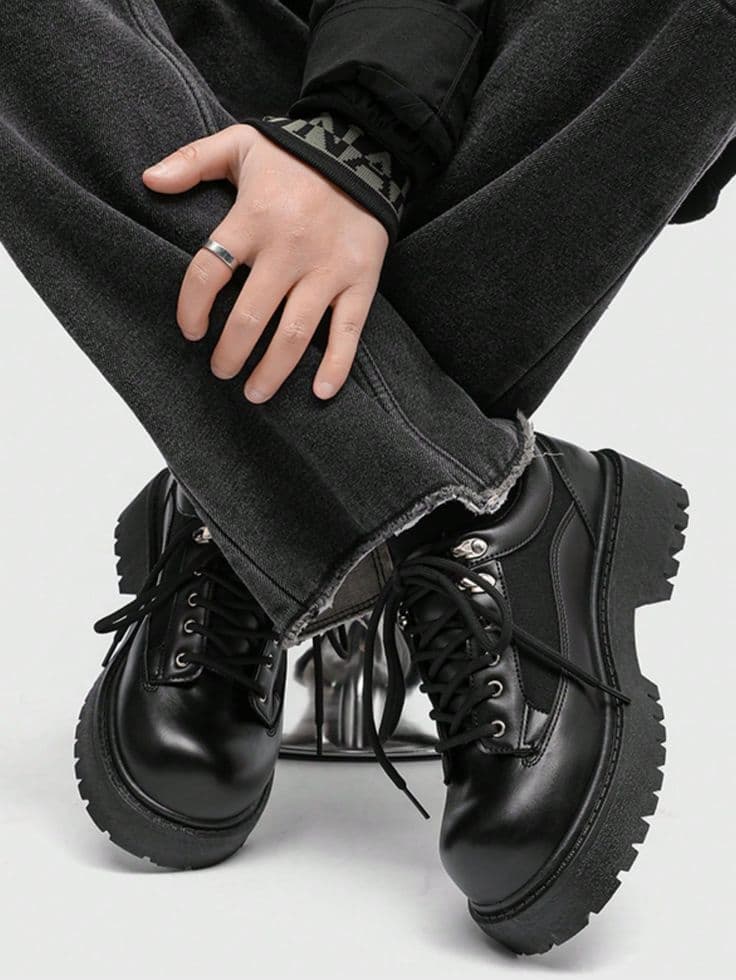
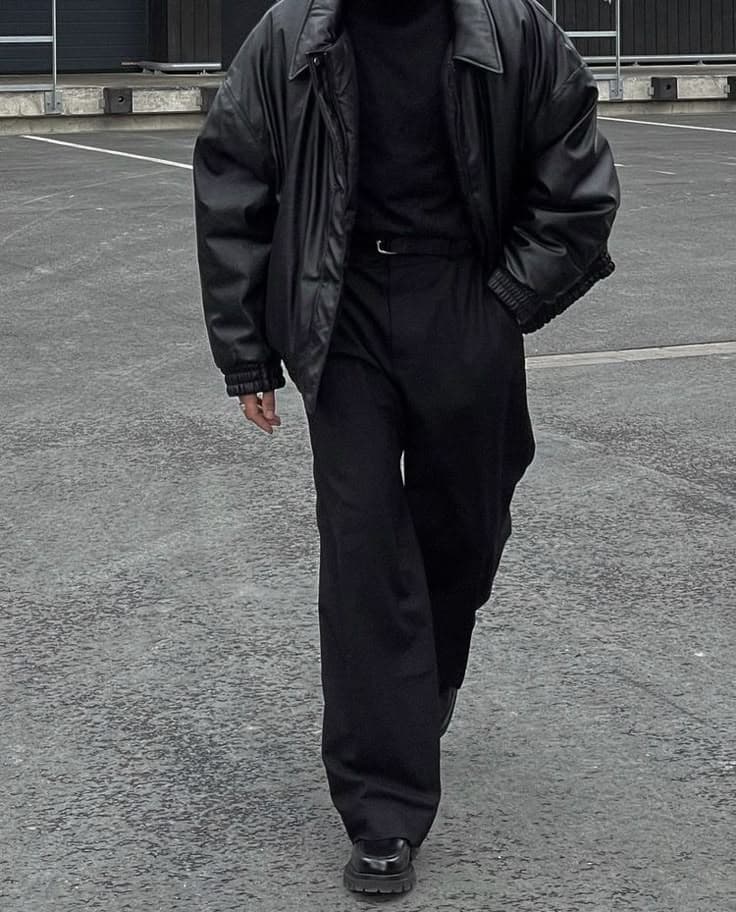
The modern chunky loafer complicates this tradition by turning the quiet slip-on into a silhouette object. A thick sole makes the foot heavier and changes the line of the leg. It can balance oversized coats, wide trousers, or short skirts. It keeps the loafer's upper vocabulary while borrowing the visual force of boots. The result is still a loafer, but one that no longer speaks softly.
What ties these versions together is the shoe's ability to make ease look considered. That is a rare fashion skill. Too much ease can look careless; too much structure can look stiff. The loafer sits between them. It lets the wearer move without losing the outline of being dressed.
This is why the loafer returns so often when wardrobes become interested in "smart casual" or "quiet luxury" or "school uniform" or "borrowed from him" or "city basics." The names change. The need remains. People want a shoe that can cross a threshold: home to street, street to office, weekday to weekend, casual to polished.
The loafer's real elegance is not that it is formal. It is that it knows how to stop just short of formality. It gives the foot a frame, not a cage. It carries history without requiring costume. Put one beside a sneaker, and it looks adult. Put it beside an oxford, and it looks relaxed. That small negotiation is the whole point.
The loafer's campus associations are especially important because they gave the shoe a social script. It could look young but not childish, informal but still respectable. That made it useful in wardrobes built around codes of belonging: school, club, office, weekend, city. The shoe could suggest that the wearer knew how to dress without appearing to try too hard.
Its sound is part of its character too. A leather-soled loafer has a different presence from a rubber-soled one. The first can click through a hallway; the second feels quieter and more practical. A lug sole adds weight and traction, turning a neat shoe into something almost bootlike. The sole decides whether the loafer is polite, luxurious, or confrontational.
In contemporary dressing, loafers often work best when they disturb an expected category. They can make a romantic dress less fragile, make jeans more exact, make socks visible as a styling choice, or make a suit feel less corporate. They are not neutral; they are controlled interruptions.
Related articles
May 20, 2026
April 6, 2026
January 7, 2026
August 27, 2025