Platform Shoes and the Performance of Height
B
BUYIT Journal· Fashion history notes
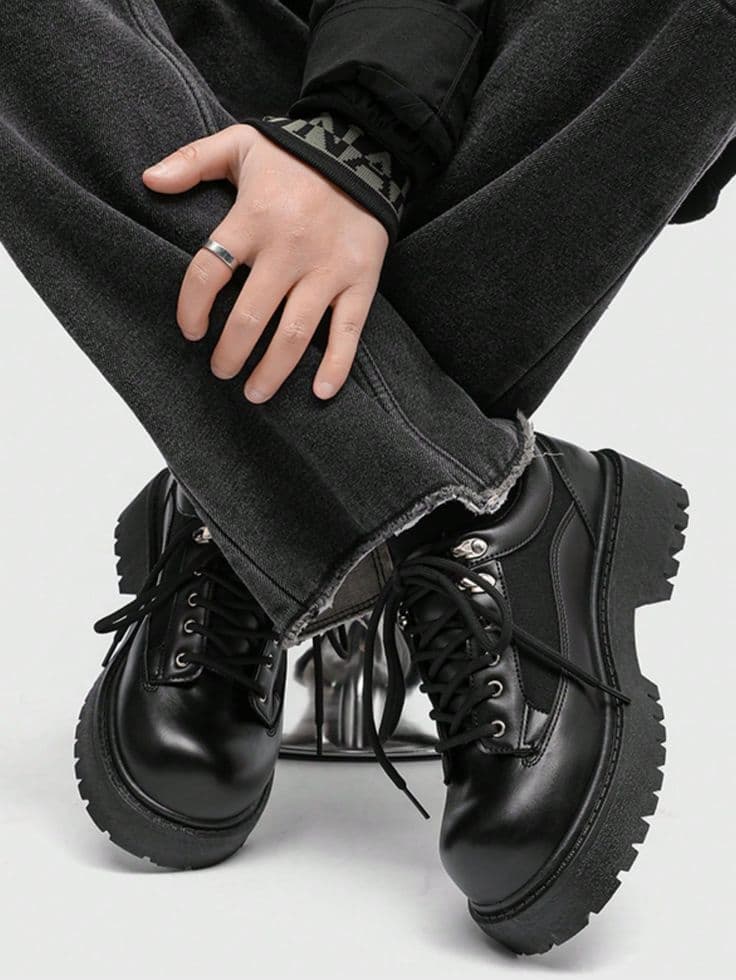
Platform shoes change height by building under the whole foot. That is their difference from the ordinary high heel. A heel lifts the back of the foot and tilts the body forward. A platform raises the sole as well, turning height into a more solid base. The wearer becomes taller, but also more grounded in a strange way: elevated by thickness rather than a single point.
This combination gives platform shoes their drama. They make the foot visible as structure. The sole becomes architecture. A sandal, boot, clog, or pump can all become a platform when the lower part of the shoe starts to matter as much as the upper. The shoe no longer only finishes the outfit. It changes the body from the ground up.
Platform footwear has appeared in many periods and cultures, often for practical, ceremonial, or status reasons. Raised soles could protect feet from dirt or wet streets, mark rank, or create theatrical height. In Western fashion history, platforms have had especially vivid moments in the 1930s and 1940s, the 1970s, the 1990s, and contemporary fashion. Each revival changes the mood while keeping the basic idea: more height, more sole, more presence.
The 1930s and 1940s platforms, including designs associated with Salvatore Ferragamo, often played with cork and sculptural soles. Wartime material restrictions and experimentation helped make the platform both practical and inventive. The shoe could be light despite its height, and the sole became a site for design rather than a hidden support.
In the 1970s, platforms became louder. Disco, glam rock, youth culture, and changing nightlife turned the shoe into a tool of performance. Platforms appeared on men and women, in boots, sandals, metallics, bright colors, and exaggerated shapes. They changed the walk and the stance. The body did not simply become taller; it became more visible in a room.
The 1990s brought another platform language through club culture, pop style, and chunky shoes. The platform sneaker and platform boot gave height without traditional glamour. They could look cartoonish, tough, playful, or futuristic. The sole became a youth code as much as a fashion detail.
What makes platforms physically interesting is the tradeoff between height and stability. A platform can reduce the steepness felt by the foot compared with a high heel of the same visual height, but it can also make the shoe heavier and less flexible. The wearer may gain height but lose sensitivity to the ground. Steps, curbs, and uneven pavement become part of the garment's experience.
That altered movement is visible. Platforms create a more deliberate walk. The foot may roll less naturally. The body may seem to advance with extra weight. In a dance context, that can be part of the spectacle. In everyday life, it can be a negotiation. The shoe asks the wearer to commit to its rhythm.
Platforms also change proportion. They can balance wide trousers, flared jeans, long skirts, and oversized coats. They can make the leg look longer without the same exposed arch as a stiletto. A platform sandal under a maxi dress creates a hidden lift. A platform boot with a mini skirt makes the lower body graphic and strong. A platform sneaker turns casual dressing into a bolder silhouette.
The sole's material matters. Cork can look natural and retro. Wood suggests clogs and craft. Rubber feels youthful or utilitarian. Leather-wrapped platforms can look polished. Transparent or sculptural soles move toward fantasy. Because the platform is large enough to see clearly, material becomes message.
Platforms have often been associated with excess, and that is not a weakness. Fashion needs garments that understand restraint, but it also needs objects that let the body perform. Platforms make height visible rather than pretending it is natural. They do not hide the mechanism. The wearer is taller because the shoe is taller, and everyone can see how.
This honesty can be liberating. A platform does not whisper. It gives the body a new base and accepts the consequences. It can be glamorous, awkward, powerful, playful, or theatrical. It can turn walking into entrance.
The modern platform remains relevant because fashion keeps returning to questions of scale. After seasons of minimal shoes, a platform feels like punctuation. After delicate sandals, it feels stable. After sneakers, it can feel like a bridge between comfort and drama. It offers height without always requiring the narrowness of a heel.
Still, the best platform shoes need more than height. They understand proportion, weight, and balance. A badly designed platform looks like a block attached to the foot. A good one makes the sole part of the silhouette. It supports the outfit's volume and gives the wearer a reason to stand differently.
That is the platform's lasting appeal. It does not merely add centimeters. It changes the relationship between body and floor. It makes the ground part of the outfit, then lifts the wearer above it.
Platforms also change sound. A light sandal makes a small contact with the ground; a platform can thud, clap, or announce itself. This sound reinforces the visual effect. The wearer does not simply appear taller; the step can become more audible and deliberate.
The platform's relationship with dance is especially important. In nightlife, height, visibility, and rhythm matter. A platform can make the body more legible in a crowd, exaggerate movement, and turn the foot into part of the spectacle. This is different from a delicate heel, which often aims for refinement. Platforms often accept exaggeration.
They also alter the politics of comfort. Some platforms are easier to wear than steep heels because the front of the foot is lifted too. Others are heavy, unstable, or stiff. The visual promise of power may come with physical inconvenience. That tradeoff is part of the shoe's honesty. It never pretends that height is invisible.
In contemporary styling, platforms work because they balance volume elsewhere. Wide jeans, long flares, oversized coats, and dramatic hems often need a shoe that can hold its own. A thin sole can disappear under them. A platform gives the outfit a base strong enough to support the silhouette.
Historically, platforms also show how fashion treats the foot as a stage. Many shoes try to make the foot look smaller or more refined. Platforms do not. They enlarge the foot's presence and make the sole impossible to ignore. That enlargement can feel powerful because it rejects delicacy.
The platform's return in different decades often coincides with fashion's appetite for stronger silhouettes. When trousers flare, platforms support the width. When skirts shorten, platforms intensify the leg. When club clothes become theatrical, platforms carry the body above the crowd. The shoe is rarely only about height; it is about matching the scale of the clothes around it.
Even restrained platforms do this work. A modest platform under a loafer, sandal, or boot can add lift and weight without becoming costume. It lets the wearer borrow some of the platform's confidence while staying inside everyday dressing. That range, from subtle lift to full spectacle, is why the form keeps returning.
Platforms can also be read through architecture. Some are slabs, some wedges, some curved, some separated between heel and forepart. A wedge platform creates one continuous lift. A platform pump may still have a distinct heel. A flatform removes much of the pitch and turns height into a near-level plane. These differences decide whether the shoe feels retro, futuristic, comfortable, or theatrical.
The danger of platforms is that they can become novelty. Height alone is not enough. The upper, strap placement, toe shape, and relationship to the ankle must all make sense with the sole. When they do, the shoe feels intentional. When they do not, it looks as if the wearer is standing on an unrelated object.
That is why platforms are useful for studying proportion. They make the usually hidden base of an outfit visible. Every outfit stands on something; platforms simply refuse to let that foundation disappear.
Related articles
Fashion
The Leather Jacket and the Surface of Rebellion
January 7, 2026
Fashion
The Bomber Jacket and the Shape of Contained Air
August 27, 2025
Fashion
The Cardigan and the Quiet Skill of Layering
July 14, 2025