Sneakers and the Moment Sport Left the Court
B
BUYIT Journal· Fashion history notes
Sneakers are built around a physical promise: the body can move. Even when the wearer is standing still in a cafe, the sole, laces, padding, grip, and shape suggest readiness. A dress shoe asks the foot to behave. A sneaker asks what the foot might do next.
That promise began in function. Rubber-soled shoes, canvas uppers, basketball shoes, tennis shoes, running shoes, training shoes, and later technical performance footwear all developed around specific needs. Grip, cushioning, ankle support, breathability, and flexibility were not style words at first. They were engineering concerns. The shoe's fashion life came later, but it never fully erased the original vocabulary of movement.
The word "sneaker" itself points to a quieter step, often linked to rubber soles that allowed less noise than hard leather. Over time, the category expanded far beyond one construction. A canvas tennis shoe and a sculpted running sneaker do not behave the same way, but both belong to the broader story of athletic footwear entering everyday dress.
That transition changed modern wardrobes more than almost any other shoe shift. Once sneakers became acceptable outside sport, they altered what counted as dressed. A suit with sneakers became possible. A dress with sneakers became ordinary. Jeans, once casual themselves, could be styled upward or downward depending on the shoe. The sneaker did not simply add comfort; it rewrote the grammar of contrast.
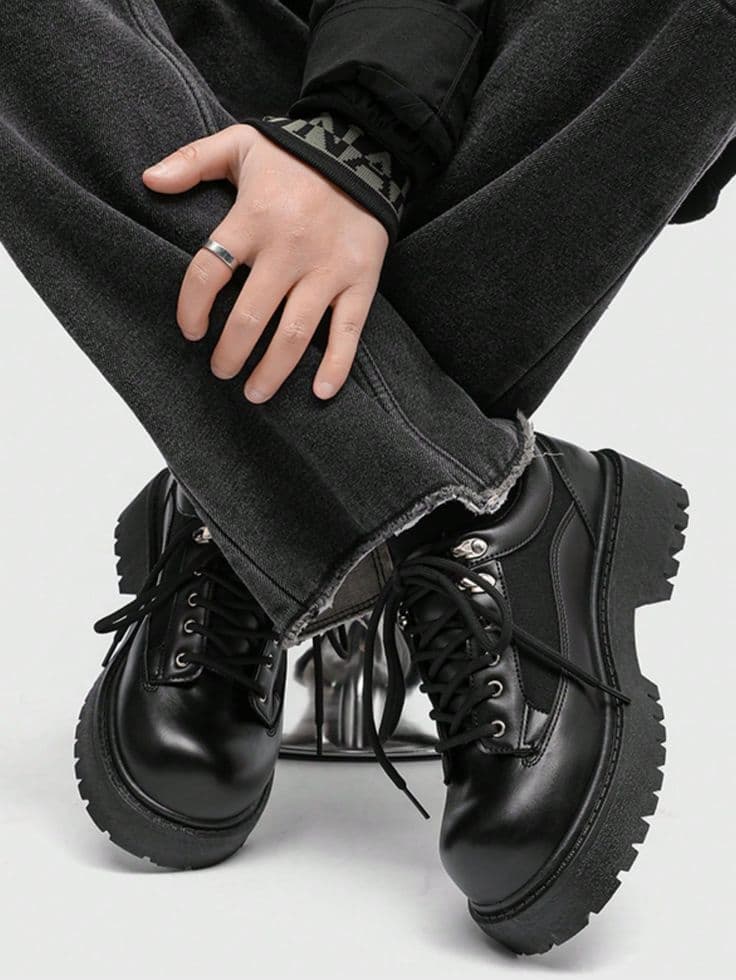
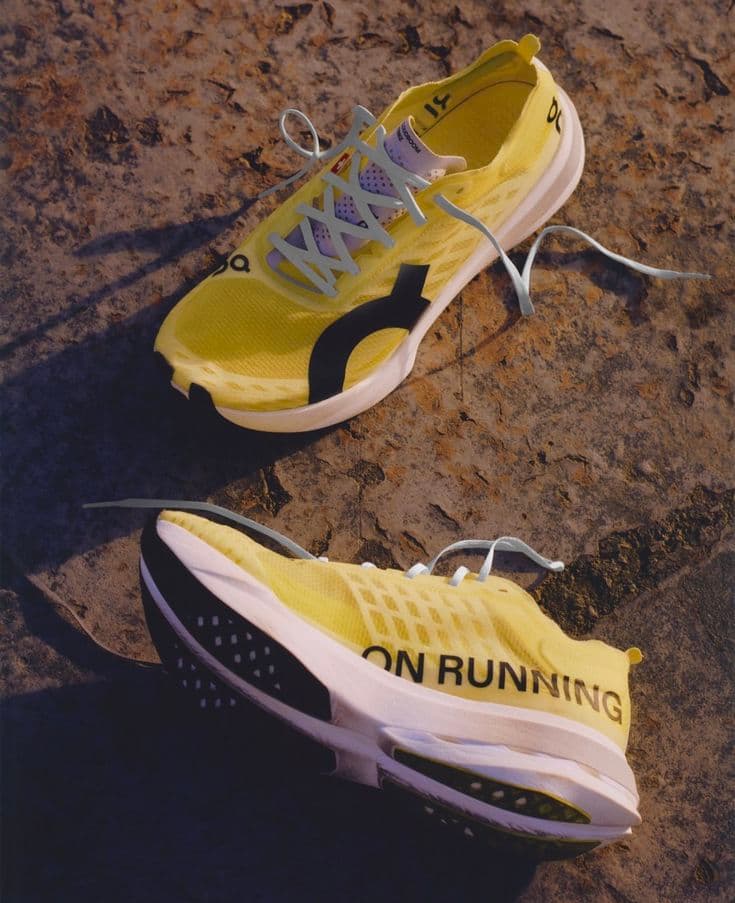
The sole is central. A thin rubber sole keeps the shoe close to the ground and often reads classic or minimal. A thick foam sole adds height and softness. A gum sole brings a court or skate feeling. A sculptural running sole creates speed even at rest. Because the sole sits under the whole body, it changes posture. It can make a stride softer, a stance wider, a silhouette heavier, or a dress less precious.
Sneakers also made branding unusually visible. Logos, stripes, side panels, heel tabs, colorways, and collaborations turned the shoe into a small billboard of affiliation. In many garments, brand identity can be hidden. In sneakers, it often becomes part of the object. The wearer is choosing comfort, style, and a lineage: basketball, tennis, running, skate, hip-hop, terrace culture, luxury runway, or limited release.
The relationship between sport and street is not one-way. Athletic shoes entered daily life, but daily life also changed them. A shoe designed for performance might become valued for a colorway no athlete needed. A basketball shoe might become a fashion object long after its technology was outdated. A running silhouette might be loved by people who never run in it. Use and image separate, then meet again in new ways.
This is why sneakers can feel both democratic and exclusive. Many are accessible, washable, and practical. Others are rare, expensive, and protected like collectibles. The same category can serve a school uniform, a commute, a runway look, and a resale market. That range is not a contradiction. It is what happens when an object tied to movement becomes tied to identity.
The physical signs of wear matter differently depending on the sneaker. A pristine white leather pair can signal care and control. A battered canvas pair can signal ease, music, youth, or indifference. Performance sneakers may look outdated when the technology ages, while classic designs often gain charm through repetition. The sneaker world is full of objects that are both mass-produced and deeply personal.
Sneakers also changed gendered footwear expectations. They offered comfort without requiring a masculine reading, and they allowed women to move through public space without the posture demands of heels. That does not mean sneakers are neutral. Color, scale, branding, and styling all carry gender codes. But the category widened the field of what could look stylish while supporting the foot.
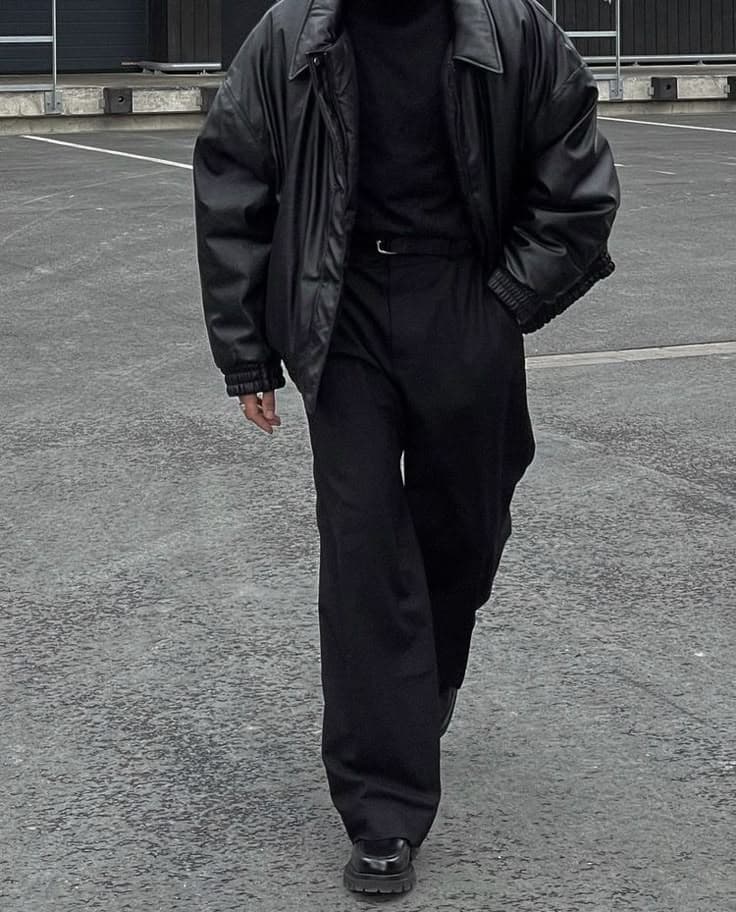
In fashion styling, sneakers are powerful because they can interrupt an outfit without destroying it. A tailored coat over sneakers becomes less formal. A slip dress becomes more daytime. Wide trousers become more grounded. A skirt becomes less delicate. The shoe introduces the idea that the wearer has somewhere to go and does not need the outfit to be fragile.
The luxury sneaker sharpened this idea by bringing athletic shapes into expensive materials and runway contexts. Sometimes the result is elegant; sometimes intentionally awkward. Either way, it shows how completely sneakers have moved beyond sport. The shoe no longer needs to justify itself through exercise. It can justify itself through proportion, nostalgia, technology, rarity, or comfort.
That comfort is not always simple. Some sneakers are genuinely supportive; others only look casual. A heavy fashion sneaker may be less comfortable than a lightweight leather shoe. A vintage-style sole may offer little cushioning. Like all garments, sneakers turn function into a story, and the story can be more persuasive than the actual experience.
Still, the sneaker's core appeal remains physical. It makes the body feel available for motion. It reduces the distance between getting dressed and getting on with the day. It gives fashion a way to include speed, youth, sport, and utility without abandoning style.
The moment sport left the court, the street gained a new foundation. Sneakers made casual dress more ambitious and formal dress less rigid. They taught modern fashion that movement itself could be a look.
The sneaker's colorway culture also changed how people think about clothing release. A dress or coat may be judged by season, but a sneaker can be judged by drop, scarcity, collaboration, and memory. People remember the colors of a shoe the way they remember album covers or team uniforms. The object becomes a container for time.
Technical innovation keeps feeding the fashion side. Air cushioning, knit uppers, carbon plates, foam compounds, and archival basketball shapes all enter style conversations even when the wearer does not need their performance value. Fashion borrows the evidence of engineering because it makes the shoe feel active and current.
Sneakers also create community through knowledge. A casual viewer sees shoes; an informed viewer sees model, year, collaboration, original sport, and cultural reference. This layered readability gives sneakers a rare position in fashion: they are everyday objects that can still reward specialist attention.
Their dominance has changed other shoes too. Dress shoes have become softer, luxury shoes have borrowed sneaker soles, and even heels sometimes compete with the comfort expectation sneakers made normal. The category did not simply expand. It reset what many people expect from footwear.
The archival sneaker adds another layer to the story. When a brand brings back an old basketball or running model, the shoe returns with two kinds of value: the original design and the memory of the period around it. A retro sneaker may no longer be the best tool for sport, but it can be a better tool for style because its proportions have already been culturally tested.
This is why the same sneaker can mean different things to different wearers. One person sees a school shoe, another sees a basketball reference, another sees a music video, another sees a resale object. Sneakers collect meanings through repetition. They are not just designed; they are worn into cultural memory by crowds.
The white sneaker deserves its own place in this history. It made athletic footwear look clean enough for tailoring and simple enough for travel. But the white sneaker is never as neutral as it pretends. Keeping it white is a form of care; letting it age is a different statement. The surface tells whether the wearer treats the shoe as uniform, tool, or object.
There is also an ecological tension around sneakers. Their technical complexity can make them hard to recycle: foam, rubber, glue, plastic, leather, textile, and hardware are bonded together for performance and price. The same innovation that makes a shoe light or cushioned can make its afterlife difficult. A fashion culture built on frequent releases has to face the material consequences of that excitement.
This is why the most durable sneaker stories often belong to designs that can be worn for years without needing to be the newest technology. Classic canvas, court, and running shapes remain useful because their cultural value is not tied only to performance claims. They become style infrastructure, like jeans or white shirts: familiar, adjustable, and able to absorb the rest of the outfit.
Related articles
May 20, 2026
April 6, 2026
January 7, 2026
August 27, 2025