The Handbag and the Architecture of Carrying
B
BUYIT Journal· Fashion history notes
A handbag is a private room carried in public. It holds money, keys, lipstick, medicine, receipts, phones, notebooks, tissues, documents, talismans, and the small evidence of a day. But it is also one of the most visible accessories in fashion. The object that hides personal contents becomes part of the public image.
The history of bags is connected to changing clothing, mobility, money, gender, and public life. When garments had fewer accessible pockets, separate bags became more important. Reticules, purses, chatelaines, travel bags, evening bags, shoulder bags, and modern handbags all answer variations of the same question: what does a person need to carry, and how visible should that carrying be?
The handbag differs from a pocket because it is detachable. That detachability gives it special power. It can be placed on a table, held in the hand, tucked under the arm, worn across the body, hung from the shoulder, or set beside the chair like a small companion. It participates in gesture. How someone holds a bag can change the posture of the entire outfit.
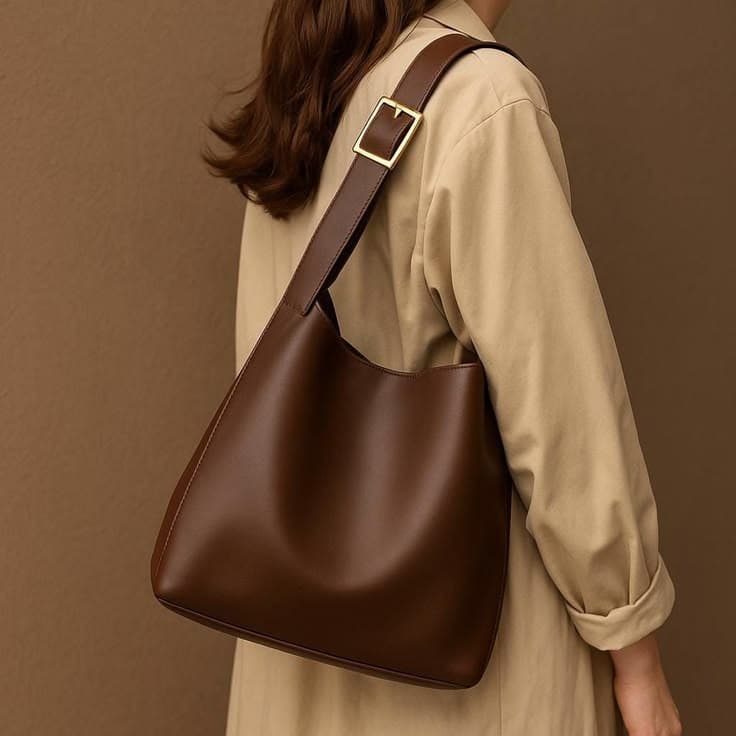
Structure changes meaning. A hard box bag looks architectural and formal. A soft hobo bag collapses into the body and suggests ease. A top-handle bag keeps the hand occupied and often feels polished. A shoulder bag frees the hand but changes the line of the torso. A crossbody bag cuts diagonally across clothing and brings function to the front. A clutch removes straps and turns carrying into a deliberate act.
The closure is a small drama. A clasp, zipper, flap, drawstring, or open top decides how private the bag feels. A zipper says containment. A flap adds ritual. A clasp can sound and shine. An open tote trusts the world more, or at least pretends to. These details matter because the bag's purpose is partly to manage access.
In modern fashion, handbags became central status objects because they combine function, visibility, craftsmanship, and branding. A dress size depends on the body; a bag can be worn by many bodies. A well-known bag shape can signal taste or wealth without requiring a full outfit. The handbag is portable identity in a concentrated form.
But the best way to understand a handbag is not simply through luxury. Everyday bags reveal habits. A tote stuffed with books, a small shoulder bag with only essentials, a structured work bag, a tiny evening bag that refuses practicality, a nylon crossbody used for travel: each one describes a relationship to movement and preparedness.
Scale is crucial. A very small bag changes the wearer into someone who appears unburdened, whether or not that is true. A huge bag suggests readiness but can overwhelm the body. Medium bags often become daily companions because they balance fantasy with need. Fashion repeatedly swings between tiny and enormous bags because both extremes express something: freedom from carrying, or the ability to carry everything.
The handbag also has a gendered history. Men's clothing often developed more built-in pockets, while women's clothing frequently limited or removed practical storage. This made bags decorative and necessary. A beautiful handbag can be empowering, but the need for one can also reveal the absence of functional design elsewhere.
Materials tell another story. Leather suggests durability and craft. Canvas suggests work, travel, or casual utility. Satin and beadwork suggest evening. Nylon suggests lightness and modern practicality. Metal hardware can add security or simply shine. The handle, strap, base, lining, and stitching decide whether the bag is an object of use or only an image of one.
A handbag's contents also affect its shape. A soft bag changes when filled. A structured bag resists the disorder inside it. Some bags are designed to look full; others look best nearly empty. This hidden relationship between exterior and interior gives the handbag unusual intimacy. The public sees the outline. The wearer knows the mess or order inside.
In styling, a bag can complete or interrupt an outfit. A polished bag can make denim look considered. A casual tote can make tailoring less stiff. A bright bag can introduce color without committing the whole body. A vintage bag can shift the time period of a look. Because it is separate from clothing, it can change the outfit without changing the clothes.
The handbag remains powerful because modern life requires carrying, but fashion refuses to treat carrying as merely practical. The bag turns necessity into form. It gives shape to preparedness, privacy, status, and habit. It is one of the few fashion objects that is both container and sign.
That double role explains why people become attached to particular bags. A handbag holds things and routines: the commute, the dinner, the trip, the workday, the emergency, the object always found at the bottom. Its architecture is larger than leather and hardware. It is the shape of what a person expects to need.
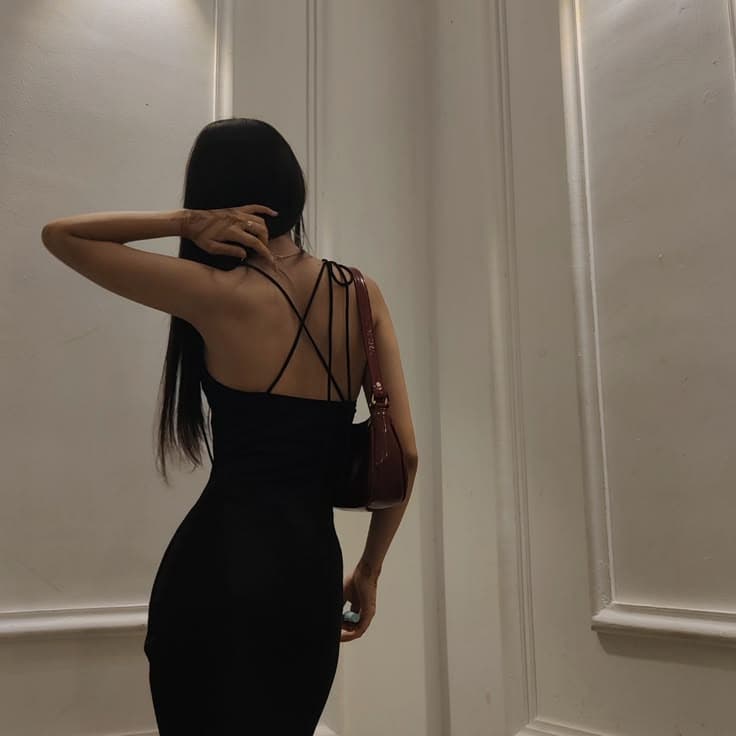
The handle is one of the handbag's most expressive features. A short top handle keeps the bag close to the hand and often makes the body more formal. A shoulder strap lets the bag hang and swing. A crossbody strap secures the bag to the torso and divides the outfit diagonally. A chain strap adds jewelry to function. Each choice changes how the wearer moves.
Inside organization is another hidden form of design. Compartments, zip pockets, card slots, lining color, key clips, and open space all shape behavior. A beautiful bag that makes keys impossible to find can become irritating quickly. The interior is where luxury has to meet routine.
The handbag also records the expansion of daily objects. As phones grew, many small bags became less practical. As laptops became common, work bags changed scale. As contactless payment reduced the need for wallets, tiny bags made more sense again for some occasions. Fashion bag sizes follow technology more than they sometimes admit.
There is also performance in not carrying. A tiny bag says that someone else, somewhere else, or another system is handling the practical burden. That can be glamorous, but it can also be revealing. The smallest bags often express fantasy not because they hold so much, but because they hold almost nothing.
The handbag's relationship with security has also shaped design. A city bag may need zippers, flaps, or compartments close to the body. An evening bag may assume controlled environments. A travel bag must balance access with protection. These needs turn fear, habit, and movement into hardware.
Luxury handbags often become collectible because they combine recognizability with touch. A famous shape can be identified from across a room, but its value is also in stitching, leather, lining, and weight. The public sign and private feel work together. This is why imitations may copy silhouette but fail in use.
Bags also change the rhythm of dressing because they are chosen last and carried separately. A person can change bag and make the same outfit read as work, evening, travel, or weekend. That separateness makes the handbag one of the most efficient styling tools.
Yet the bag is never only styling. If it is too heavy, it changes the shoulder. If it slips, the wearer adjusts all day. If it lacks compartments, it creates friction. The most successful handbag disappears in use while remaining visible in style, a difficult balance that explains why people search so long for the right one.
The handbag's history also reveals the tension between object and outfit. Some bags are designed to match clothing, becoming part of a coordinated look. Others are designed to stand apart, almost like independent furniture for the body. A structured bag can make a soft outfit look more composed; a soft bag can make tailoring feel more lived in.
The surface of a bag carries touch in a way photographs cannot fully show. Smooth calfskin, pebbled leather, woven straw, beaded satin, nylon, suede, patent shine: each suggests a different relationship to handling. A bag is looked at, but it is also constantly touched. Handles darken, corners wear, metal warms in the hand.
This tactile life is why vintage handbags can be so compelling. They arrive with evidence of use but still retain form. A vintage bag can make an outfit feel less generic because it brings a previous life into the present. The object has already belonged somewhere, and that history becomes part of its style.
Related articles
October 11, 2025
June 22, 2025
January 18, 2025