The Slip Dress and the Line Between Private and Public
B
BUYIT Journal· Fashion history notes
A slip dress always seems to have just crossed a threshold. It looks like it belongs near the body, under other clothes, in a bedroom, in low light. Then it appears outside, on a street, at dinner, under a coat, with boots, with bare shoulders, and the question changes. Is it underwear, eveningwear, minimalism, provocation, or simply a dress cut close enough to remember lingerie?
The slip itself began as an undergarment, worn beneath dresses to smooth the line, add opacity, protect outer fabrics, and help clothing fall properly. Slips could reduce cling, soften transparency, and create a cleaner surface over the body. Their purpose was partly visual and partly practical. They made the outer garment behave.
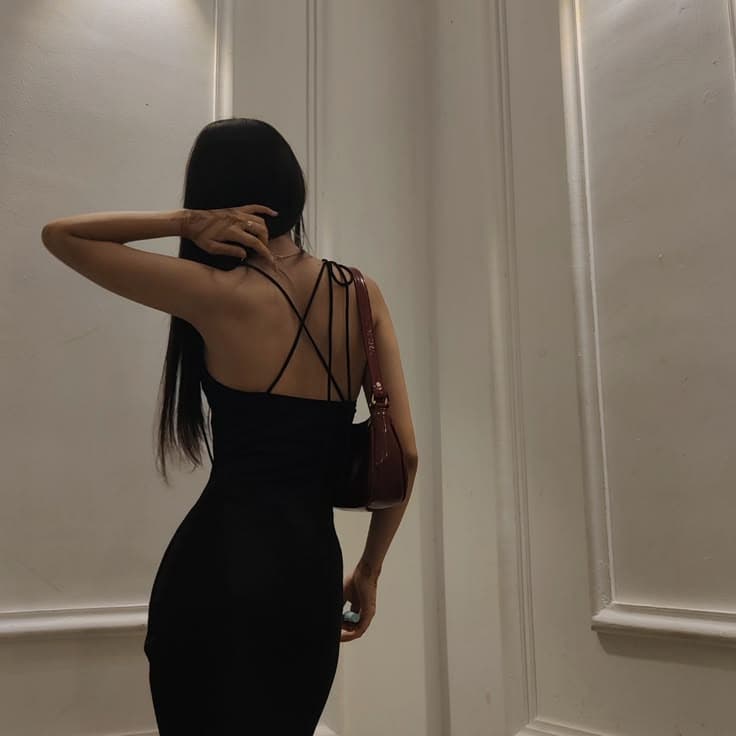
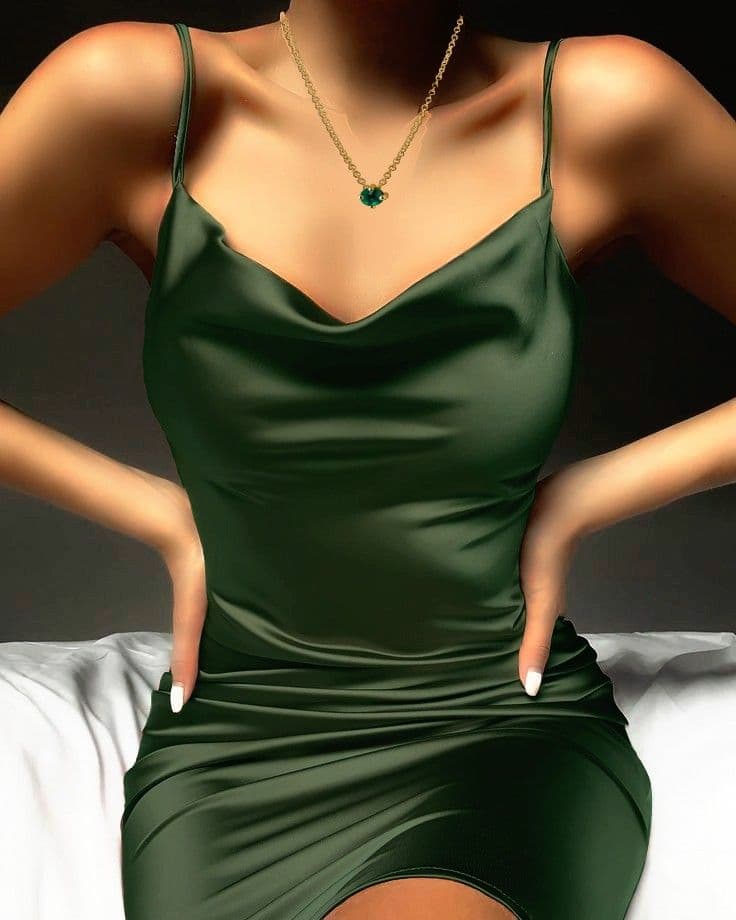
The slip dress turns that hidden support into the visible garment. The structure is usually spare: thin straps, open neckline, light fabric, a body-skimming cut. Satin, silk, crepe, rayon, or other fluid materials give it movement. The dress does not build shape the way tailoring does. It follows, glides, and sometimes reveals the body's own interruptions.
The bias cut is central to many slip-dress histories. Cutting fabric on the diagonal allows woven cloth to stretch and fall in a way that feels closer to the body. Designers of the 1930s, including Madeleine Vionnet, explored bias cutting with extraordinary sophistication. The result was not cling in the modern stretch sense, but a kind of liquid negotiation between fabric and form.
By the late twentieth century, especially in the 1990s, the slip dress became one of fashion's clearest minimal garments. It could look almost unfinished, as if the wearer had skipped a layer. On Kate Moss and others, the dress became part of an aesthetic that prized thin straps, bare skin, matte faces, and a refusal of heavy evening construction. Glamour was still present, but it had lost its scaffolding.
That lack of scaffolding gives the slip dress its charge. A ball gown announces effort. A suit announces structure. This kind of dress appears to do neither, which makes every detail more exposed. Fabric quality matters. Hem length matters. The angle of the neckline matters. The strap width, side seam, and way the fabric moves when the wearer sits all matter because there is so little else to distract the eye.
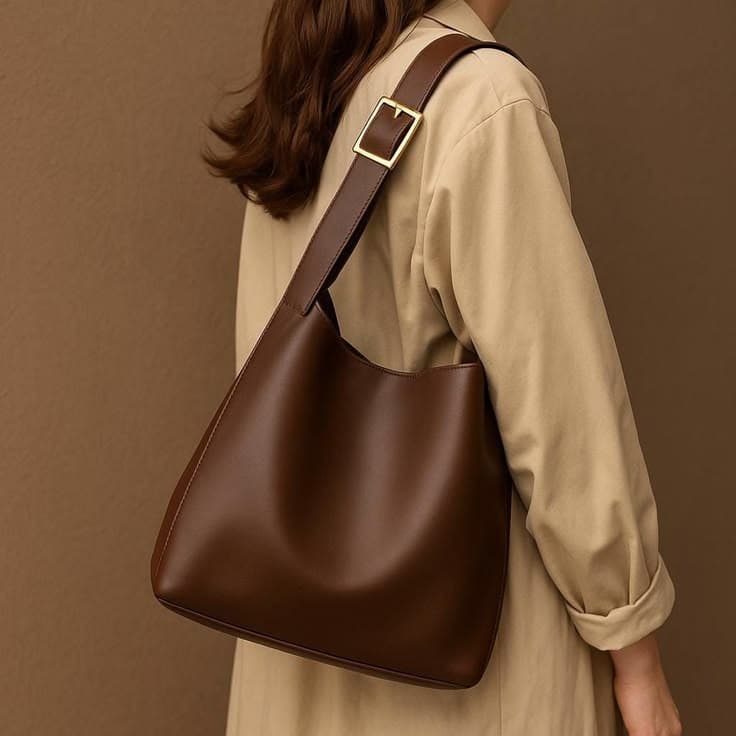
The garment also changes with styling more than many dresses do. With a bare neck and sandals, it can look intimate and evening-ready. With a T-shirt underneath, it becomes more casual and younger. With a cardigan, it softens. With a leather jacket, it gains contrast. With boots, it loses some fragility. Under an oversized coat, it becomes a private line inside a public layer.
The slip dress has always carried questions about exposure. It suggests the body without necessarily revealing much. A high-shine satin catches light across the hips and bust. A matte crepe can feel more severe. Lace edging brings the lingerie reference close; a clean neckline moves the dress toward minimalism. The same cut can feel romantic, austere, sensual, or almost plain.
Its relationship to the body is less forgiving than its simplicity suggests. Because the garment often has little internal support, fit must be precise or intentionally relaxed. Too tight, and it looks strained. Too loose, and it can collapse into nightwear. The best slip dresses understand negative space: a little room at the waist, enough movement at the hip, a neckline that does not fight the shoulder.
What makes the slip dress modern is not simply that underwear became outerwear. Fashion has crossed that boundary many times through corsets, camisoles, petticoats, bras, and sheer fabrics. This version is distinctive because it keeps the memory of underclothing while refusing to apologize for being seen. It does not cover its origin with decoration. It lets the origin remain legible.
That legibility can be powerful. The dress asks the wearer to manage softness rather than armor. It makes posture visible. Shoulders matter. The way someone holds a bag matters. The way the fabric moves against a coat matters. The body is not reshaped into a fantasy of strength or ceremony. It is placed inside a line that can feel vulnerable and controlled at the same time.
The slip dress remains useful because modern wardrobes often want pieces that can shift context quickly. It can sit under knitwear by day and stand alone at night. It can be layered for modesty or stripped back for clarity. It can look expensive in a plain way if the fabric and cut are good. It can also fail completely if the fabric looks cheap, because there is nowhere for poor material to hide.
Its lasting appeal lies in that risk. The slip dress is a simple object with a complicated social life. It depends on a boundary, then walks across it. It turns the garment that once helped a dress fall properly into the whole visible statement. When it works, it does not look like underwear pretending to be fashion. It looks like fashion remembering where clothing touches the skin first.
The slip dress also asks what counts as enough construction. Traditional eveningwear often relies on inner support, lining, boning, or complex closure. The slip dress removes much of that visible effort. Its confidence comes from proportion, fabric, and cut rather than from a built-up structure.
Color changes the garment's intimacy. Black can make the slip dress sharp and urban. Ivory or champagne keeps it close to lingerie and bridal codes. Red makes the body more public. Navy or brown can quiet it. Because the form is spare, color becomes one of the main ways the dress controls its own temperature.
The dress also has practical vulnerability. Straps may slip. Fabric may crease. Wind may reveal more than intended. A coat, knit, or shirt layered over it is styling and sometimes negotiation. The most interesting slip-dress outfits often show that negotiation instead of pretending the garment is effortless.
Related articles
February 20, 2026
October 11, 2025
January 18, 2025